How to Protect Tooth Enamel
Your teeth are protected by enamel, which is the hardest substance in the human body. It is incredibly tough and needs to be, as your teeth exist in a harsh and often acidic environment. Even though tooth enamel is strong, it can still become damaged over time.
Knowing how this damage, called tooth enamel erosion in Newcastle, can occur will help you take steps to protect your dental health.
What Is Tooth Enamel?
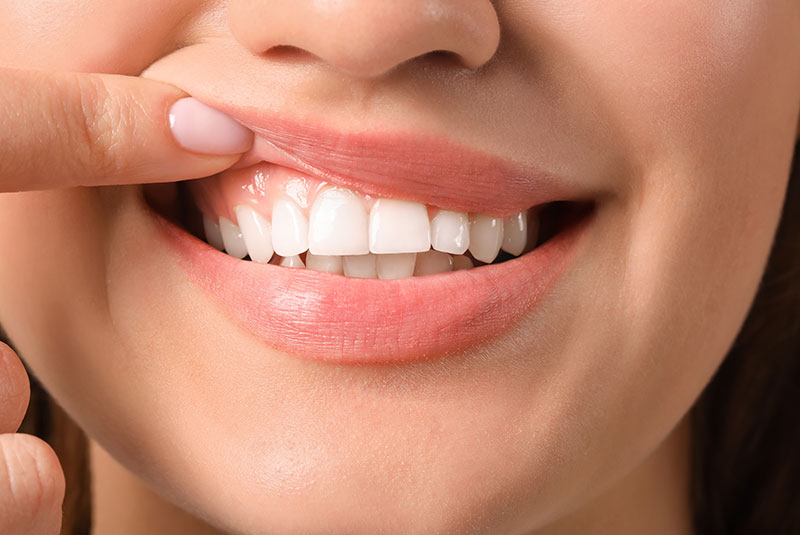
Tooth enamel covers each tooth crown, the part of the tooth visible in the mouth above the gum line. It consists of various minerals, including hydroxyapatite (a calcium phosphate), as well as fluoride and magnesium.
How Can Tooth Enamel Become Damaged?
Every day, your teeth are exposed to acids. These acids are found in certain foods. Plaque bacteria also produce them.
Each time you eat anything sweet or starchy, these bacteria feast on the leftovers and produce acid as a byproduct. After eating, your mouth remains more acidic for 30 to 60 minutes.
When tooth enamel is exposed to acid, it becomes softer and weaker. This is because acid removes minerals from the enamel through a process called demineralization.
As acidity levels in your mouth decrease, a process called remineralization occurs, where some of the minerals removed are restored to your tooth enamel, helping to re-harden it.
However, over time, repeated exposure to acid will eventually cause your tooth enamel to become thinner and more eroded, resulting in lesions that can develop into cavities. This is why it is so important to try to protect your tooth enamel.
How to Prevent Tooth Enamel Erosion
There are various strategies you can try to help minimize the damage caused by exposure to acids. These include:
- Practising good oral hygiene by making sure that you brush twice a day and floss every day. This routine helps remove as much plaque bacteria as possible, reducing the risk that they can produce harmful acids.
- Drinking plenty of water, and try to get into the habit of swishing plain water around your mouth after eating. This will help wash away excess food particles and plaque bacteria, and help restore a more normal pH more quickly.
- Reducing your consumption of sugary and starchy foods, particularly in between meals. Choosing these types of foods to snack on increases the time that your mouth remains acidic, increasing the potential damage to your tooth enamel. If you want to snack, choose foods that are tooth-friendly, like plain yogurt, cheese, and fruits and veggies.
- Booking regular hygiene appointments in Courtice ensures that hardened plaque, called tartar or calculus, is thoroughly removed from your teeth. Getting rid of tartar helps remove harmful bacteria that produce acids, protecting your dental health.
Other issues can also increase your risk of enamel erosion, particularly dry mouth (xerostomia) and GERD.
Xerostomia
Xerostomia, in which you cannot produce enough saliva, creates the ideal conditions for plaque bacteria to thrive. If you suffer from dry mouth, ask us for help and advice when you visit West Bowmanville Family Dental. We can discuss helpful ways to manage this condition, or we may suggest using artificial saliva substitutes.
Dry mouth in Clarington is often a side effect of certain medications. If so, it may be helpful to talk to your GP to see whether any prescribed medicines can be adjusted or changed.
GERD
Gastroesophageal reflux disease is a common condition in which stomach acid flows back from the stomach, washing over your teeth. If you have this condition, talk to your GP about how best to manage it.