Dry mouth in Newcastle is a condition called xerostomia and is extremely common. It occurs when you cannot produce enough saliva to keep your mouth moist, comfortable and more hygienic.
Often, having a dry mouth is a temporary situation caused by dehydration and which is easily remedied. Other times, the problem can be more consistent, in which case it can significantly affect oral health.
Potential Problems Caused by Dry Mouth
When your mouth is drier, it allows harmful bacteria to thrive under these conditions. Consequently, your risk of developing common oral problems like tooth decay and gum disease increases.
Symptoms of Dry Mouth
Symptoms can include:
- Bad breath or halitosis.
- Difficulty chewing food and swallowing.
- A sticky or dry feeling in the mouth.
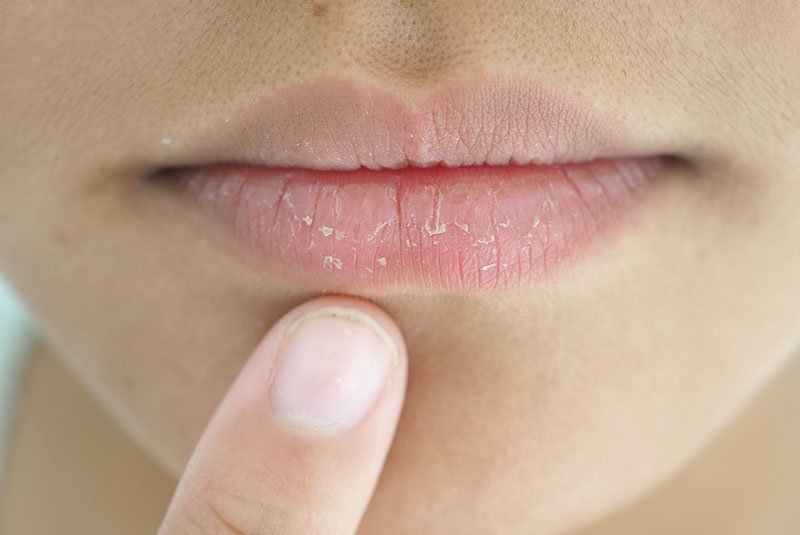
- Dry, cracked lips.
- An increase in dental problems, even though you take care of your oral health.
Causes of Dry Mouth
In addition to straightforward dehydration, several other factors can cause xerostomia in Clarington. These can include the following.
- Prescription and Over-The-Counter Medications
Dry mouth is a common side effect of many prescription and over-the-counter medicines, as taking them reduces saliva production. These include anti-histamines, pain medications, medicine for blood pressure, as well as antidepressants.
- Smoking
Smokers often have a dry mouth since the habit reduces saliva production. What’s even worse is that smoking can increase the risk of gum disease and other oral health conditions, including oral cancer, and, of course, it causes bad breath.
- Mouth Breathing
Some people have a habit of breathing through their open mouths, while others need to breathe through their mouths due to allergies or a cold. It’s also a common problem while sleeping.
- Stress
People who are stressed can breathe through their mouths more often or forget to drink enough water. Additionally, they may forget to take care of their oral health, increasing the risk of dental problems.
- Medical Treatments
Certain medical treatments, especially those for cancers affecting the head and neck, can cause dry mouth. Chemotherapy and radiation therapy can damage the salivary glands, causing dry mouth.
- Medical Issues
Certain medical issues like autoimmune diseases, diabetes and Sjogren’s syndrome can affect the salivary glands, making it harder to produce an adequate flow of saliva and consequently causing dry mouth.
Treating Dry Mouth at Home
If you have dry mouth, then there are simple remedies to treat it. Below are some solutions to try at home.
- Drink more water, and have a refillable bottle close by so you can sip frequently throughout the day.
- Chew sugar-free gum or sugar-free candies to help stimulate saliva production.
- Suck on ice chips.
- Use an over-the-counter saliva substitute to help keep your mouth moist.
- Use a humidifier in your bedroom at night or even a bowl of water to help add moisture to the air.
How West Bowmanville Family Dental Can Help You
Regular dental checkups in Courtice are essential for everybody, but especially if you have issues like dry mouth. We can assess the risk to your oral health and may recommend preventive treatments like more frequent hygiene appointments.
Having your teeth cleaned professionally more frequently removes plaque and tartar buildup, reducing the number of harmful bacteria that can cause dental problems. We can also recommend other ways to treat your dry mouth and work with you to ensure your oral care routine is the best and most effective possible.
If we believe the underlying cause of your dry mouth is due to prescription medications or an untreated medical issue, we may recommend booking an appointment with your GP.