
Can You Catch Gum Disease?
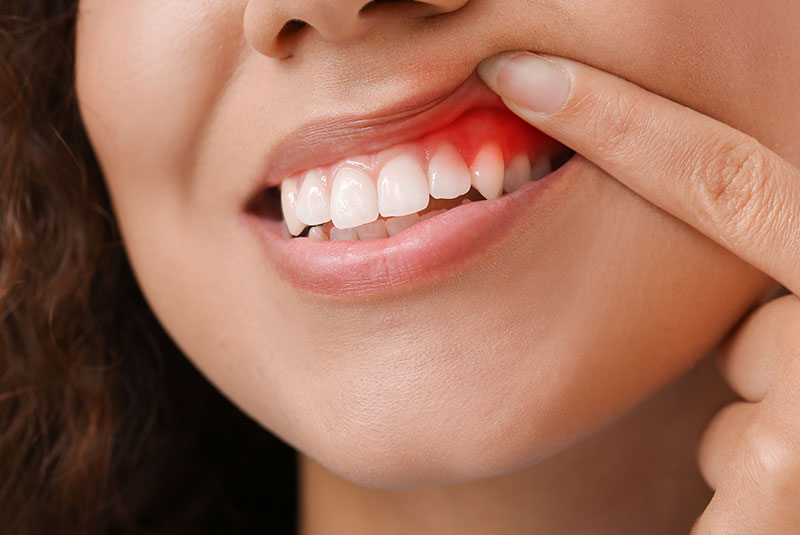
Gum disease is a common condition, and many people will develop gingivitis, the first stage of gum disease. Gingivitis in Bowmanville is a mild gum inflammation, where the gums become red and swollen and begin to bleed, often while brushing and flossing.
Understanding how gum disease develops will help you take preventive action, and one question often asked is whether it can be caught.
Gum disease is a bacterial infection. These bacteria cannot be transmitted to someone else like a cold or flu virus, but they can be spread if you share utensils or if you kiss someone with gingivitis in Newcastle.
Understanding How Gingivitis Develops
Your mouth has several hundred bacterial strains at any given time, and most are harmless. However, the harmful bacteria that cause gingivitis are found in dental plaque, a sticky biofilm that forms on everyone’s tooth surfaces between regular brushing and flossing.
If you don’t brush and floss regularly, these bacteria can build up, and they create toxins that infect and irritate your gums. This causes an inflammatory response in your body, so your gums begin to swell and bleed.
Risk Factors for Gingivitis
The main risk factor for gingivitis is poor oral hygiene. Failing to brush and floss regularly allows plaque to harden into calculus (tartar). The bacteria will remain in tartar and continue to thrive. Also, tartar buildup makes it easier for more plaque to stick to your teeth surfaces.
Some other risk factors include smoking, taking certain medications or having health issues that can affect your immune system. This is why, when you visit West Bowmanville Family Dental for a checkup, we always ask you about your medical history and general lifestyle factors.
Hormonal changes are another risk factor, particularly during puberty, pregnancy and menopause. These hormonal changes can increase the sensitivity of gum tissue to bacteria that cause gingivitis, making your gums more likely to become inflamed and bleed.
Preventing Gingivitis
Follow a Good Oral Care Routine
A good oral care routine is essential for healthy gums. It’s essential to brush at least twice a day and to floss every day. This is the most effective way to remove plaque buildup and reduce your risk of developing gum disease in Clarington.
Some people like to use mouthwash; if so, try to choose a brand that is antibacterial and can help fight gum disease. Also, ensure it is alcohol-free because alcohol dries out the mouth, and drier conditions allow bacteria to thrive.
Change Your Toothbrush Regularly
You should change your toothbrush every three months, or more frequently if the bristles begin to look worn. Most electric toothbrushes will alert you when it’s time to change the toothbrush head.
Additionally, ensure you do not share your toothbrush with others. This is the easiest way to transfer harmful bacteria from one person to another.
Book Regular Hygiene Appointments
Regular dental cleanings in Courtice are essential to any preventive dental care plan. During this appointment, our hygienist can clean your teeth professionally, removing all plaque and tartar buildup, getting rid of the harmful bacteria that can cause gum disease.
We can also work with you to help improve your oral care routine at home by identifying any areas of your mouth that you may miss during brushing and flossing. Our hygienists can demonstrate the most effective techniques for brushing and flossing.
We know many people find flossing tricky, and we can discuss alternatives such as a WaterPik, interdental brushes, or soft picks.
Follow a Healthy Diet
Healthy gums need a diet that is rich in vitamins, especially vitamin C and D. Try to reduce your sugar intake because sugar feeds the bacteria in plaque. Limit your alcohol intake, and if you smoke, think about quitting.